
Why Presentation-Heavy Conferences Fail (And What to Do Instead)
Walk into most corporate conferences and you’ll see the same pattern: a packed agenda of back-to-back slide decks, dimmed lights, and rows of passive attendees. On paper, it looks productive. In reality, it’s often where engagement goes to die.
Presentation-heavy conferences don’t just fall flat—they actively work against the outcomes they’re meant to deliver.
Let’s unpack why.
1. Information Overload ≠ Impact
There’s a common misconception that more content equals more value. In truth, the opposite is often the case.
When delegates are subjected to hours of dense slides and data, retention drops dramatically. The brain simply can’t process that volume of information in a short space of time—especially in a passive environment.
What happens instead?
- Key messages get lost
- Attention drifts
- The day becomes a blur of “another presentation”
If everything is important, nothing is memorable.
2. Passive Audiences Switch Off
A presentation-heavy format puts the audience in a passive role—sit, watch, listen.
But attention is earned, not assumed.
Without interaction, movement, or variation in format, even the most relevant content struggles to land. You might have world-class speakers, but if the delivery format doesn’t change, engagement drops off a cliff after the first hour.
People don’t attend conferences to be talked at. They attend to feel involved.
3. Lack of Narrative = Lack of Meaning
One of the biggest reasons these conferences fail is the absence of a clear narrative.
Too often, presentations are built in silos:
- Department A shares updates
- Department B presents results
- Leadership delivers strategy
But there’s no overarching story connecting it all together.
The result? A disjointed experience where attendees struggle to understand:
- Why it matters
- How it connects
- What they should do next
The best events aren’t a sequence of presentations—they’re a single, cohesive story told in chapters.
4. Slides Become the Crutch
Slides should support a message—not be the message.
In presentation-heavy environments, slides often become overloaded with text, data, and bullet points. Speakers end up reading from the screen, and the audience ends up reading ahead (or tuning out completely).
This creates a disconnect:
- The speaker loses authority
- The audience disengages
- The message loses clarity
If your content only works because it’s written on a slide, it’s not strong enough.
5. No Space for Experience
Events are powerful because they’re shared experiences.
But when the format is dominated by presentations, there’s little room for:
- Interaction
- Discussion
- Emotional moments
- Surprise and energy shifts
Without these elements, the event becomes transactional rather than experiential.
And transactional events are quickly forgotten.
6. Energy is Poorly Managed
A great conference is about energy design as much as content design.
Presentation-heavy agendas often ignore this completely:
- No variation in pace
- No reset moments
- No dynamic shifts
The result is predictable: energy peaks early, then steadily declines throughout the day.
By mid-afternoon, even the most important messages are landing on empty tanks.
So, What Works Instead?
The solution isn’t to remove presentations entirely—it’s to rebalance the format.
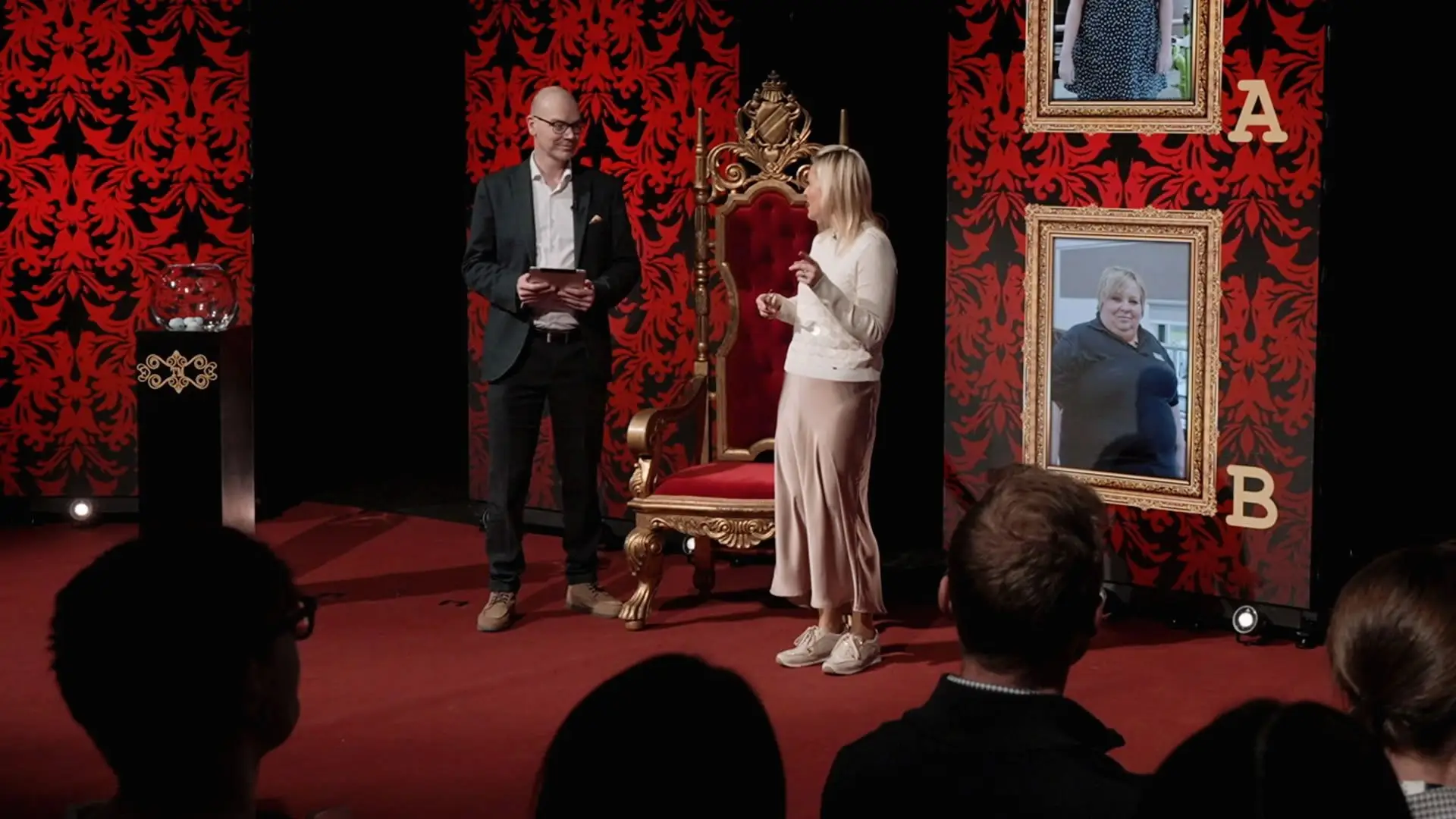
High-performing conferences blend content with experience. They treat the agenda like a show, not a schedule.
Here’s what that looks like:
1. Build Around Narrative
Start with a clear story. Every session should serve that narrative and move it forward.
2. Vary the Format
Mix it up:
- Shorter, sharper talks
- Panel discussions
- Live demos
- Fireside chats
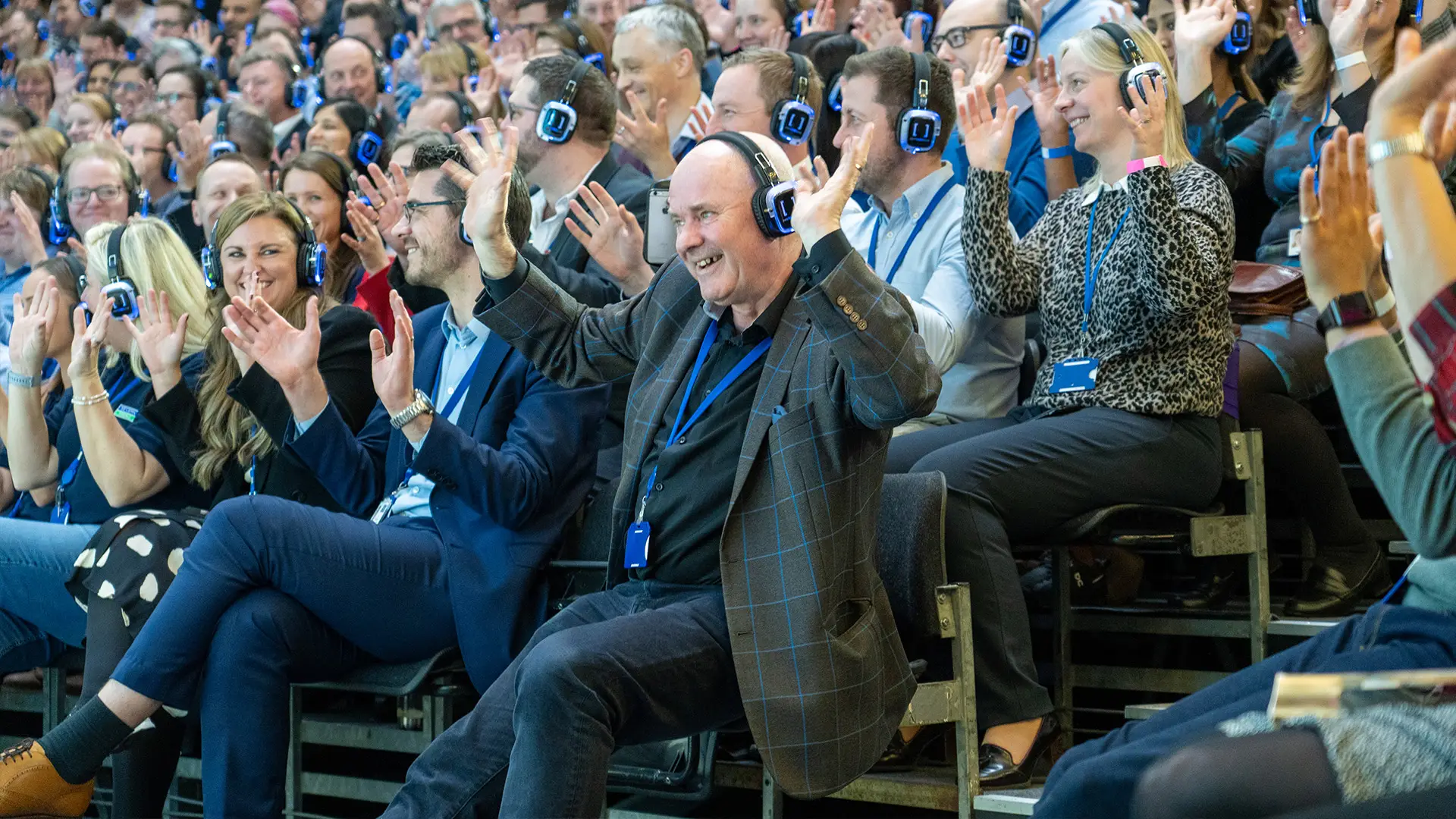
- Audience interaction
3. Design for Engagement
Create moments where the audience participates, not just observes:
- Polling
- Q&A
- Breakout discussions
4. Use Visuals Intelligently
Leverage large-format visuals (like LED walls) to enhance storytelling—not overload it.
5. Think Like a Producer
This is where many conferences fall short. They’re organised, but not produced.
The difference?
Production considers:
- Flow
- Pacing
- Transitions
- Emotional impact
It’s what turns content into an experience.
The Bottom Line
Presentation-heavy conferences fail because they prioritise information delivery over audience experience.
But events aren’t just about what you say—they’re about what people feel, remember, and do afterwards.
If your audience leaves overwhelmed, disengaged, or unclear on the message, the event hasn’t worked—no matter how much content was delivered.
The best conferences don’t feel like a series of presentations.
They feel like something worth being part of.
Ready to Rethink Your Next Conference?
If your event is starting to feel like a sequence of slide decks rather than a joined-up experience, it might be time to approach it differently.
At White Event Production, our in-house creative design team works alongside our technical and production specialists to turn content into compelling, story-led experiences. From shaping the narrative and visual identity through to designing dynamic on-screen content and show flow, we help ensure your message lands—and sticks.
If you want your next conference to engage, inspire, and actually be remembered, let’s talk.
Get in touch to see how we can bring your event to life.
more blog posts


 get in touch